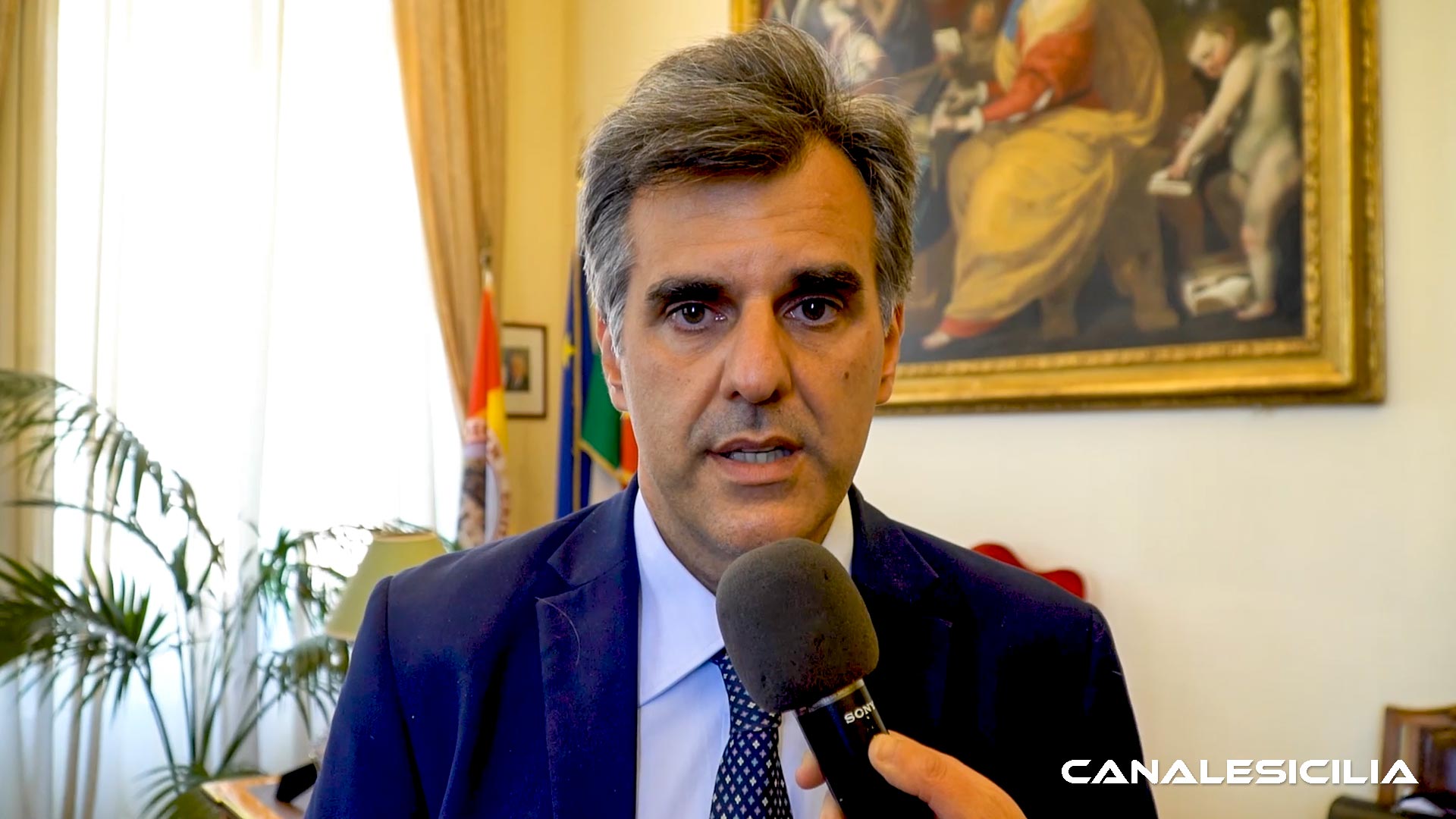
A significant development in the ongoing investigation into alleged procurement irregularities at the University of Messina has seen former Rector Salvatore Cuzzocrea, along with ex-General Manager Francesco Bonanno and several entrepreneurs, formally referred to trial. The decision, handed down by preliminary hearing judge Arianna Raffa, follows a request from prosecutor Francesca Bonanzinga, marking a critical step towards judicial accountability in the high-profile case.
The trial, which is scheduled to commence on June 4th, will see Cuzzocrea and Bonanno, represented by their respective legal teams including attorney Alberto Gullino, facing charges of turbativa d'asta (bid rigging/market manipulation) and falso (falsehood). This move signifies the court's view that there is sufficient evidence to proceed to a full trial, transitioning the proceedings against them from the preliminary stages to main court hearings. This Cuzzocrea processo is one of two major inquiries involving the former rector, both centered on university contracts that had previously drawn stern rebukes from Italy’s National Anti-Corruption Authority (ANAC).
The Charges Against Cuzzocrea and Co-Defendants
The preliminary hearing concluded with a decisive move to send multiple individuals to trial. Beyond Salvatore Cuzzocrea and Francesco Bonanno, entrepreneurs Giuseppe Cianciolo, Santo Franco, Michelangelo Geraci, and Rosaria Ricciardello are also among those who have been formally referred for trial. They will all stand before a single judge (giudice monicratico) to answer for their alleged roles in the procurement scandal.
The core of the accusation revolves around bid rigging, a serious charge that undermines the integrity of public procurement processes by manipulating competitive bidding. Alongside this, charges of falsehood suggest an attempt to obscure or misrepresent facts related to these contracts. These allegations point to a systematic effort to circumvent established legal procedures for awarding public contracts, potentially favoring specific entities without fair competition.
Notably, the University of Messina itself, represented by the State Advocacy, has joined the proceedings as a civil party. This indicates the institution's intent to seek damages or restitution for any harm caused by the alleged irregularities. Furthermore, the legal process has already seen some developments, with two entrepreneurs, Daniele Renna and Raffaele Olivo, having previously requested plea bargains, signaling their acknowledgment of some level of involvement.
The legal teams defending the accused include prominent lawyers such as Elena Florio, Giorgio Perroni, Pasquale Contorno, and Nino Favazzo, who will now prepare to present their arguments as the trial unfolds.
The Genesis of the Scandal: ANAC's Alarms and Parliamentary Inquiry
The journey to this trial decision began to gain significant public traction in January 2022. It was then that a parliamentary inquiry, led by Democratic Party MP Umberto Del Basso De Caro, cast a spotlight on the University of Messina. The inquiry demanded clarity on an astonishing €35 million worth of works allegedly commissioned without proper public tendering, urging the Ministry of University and Research to intervene and investigate.
This parliamentary scrutiny soon escalated with the formal intervention of ANAC. In its deliberation dated April 5, 2022, ANAC detailed "grave non-compliance and irregularities" by the University of Messina. The authority specifically highlighted that the university had directly awarded a series of contracts that exceeded European Union thresholds, meaning mandatory public tenders should have been held. Instead, ANAC found that the university had "abusively used emergency regulations" to justify these direct awards, thereby bypassing competitive procedures designed to ensure transparency, fairness, and value for public money.
Interestingly, in July 2023, even as ANAC's findings mounted, former Rector Cuzzocrea remained at the helm of the university. He publicly downplayed the significance of ANAC's observations, reportedly pointing to high internal scores for Messina's procurement practices compared to other Italian universities. At the time, he expressed little concern that these anti-corruption findings could escalate into a criminal investigation. However, as the formal referral to trial now confirms, his initial optimism proved unfounded, underscoring the serious nature of the allegations.
The ANAC investigation serves as a stark reminder of the critical role independent bodies play in safeguarding public funds and upholding legal standards in procurement. The authority’s detailed findings laid the groundwork for the subsequent criminal investigation, leading directly to the current trial proceedings.
Unpacking the Allegations: Specific Contracts Under Scrutiny
ANAC's detailed investigation meticulously itemized the specific contracts that raised red flags, revealing a pattern of alleged irregular direct awards. These contracts spanned a wide range of university activities and significant financial values, illustrating the scale of the alleged procurement misconduct:
- Energy Efficiency Projects: A substantial sum of ten million euros was allocated for improving the energy efficiency of the university's real estate assets. The concern here was the method of awarding such a large-scale project without the mandated competitive tender.
- Restoration and Requalification Works: Contracts totaling 7,808,000 euros were for the conservative restoration and requalification of the university's property assets. These types of projects are often complex and require rigorous selection processes to ensure quality and cost-effectiveness.
- Conversion of University Residences: Two major projects for converting university residences amounted to 9,363,953 euros and 8,419,316 euros, respectively. The direct awarding of contracts for such extensive structural changes is a key focus of the investigation.
- Supply and Installation of Didactic Furnishings: A contract worth 1,364,740 euros for the supply and installation of didactic furniture also fell under scrutiny.
- Completion of Furniture and Accessories: An additional 403,124 euros was tied to the supply and installation of complementary furniture and accessories. Both furniture contracts were awarded via a resolution of the University of Messina's Board of Directors on September 24, 2021, without going through competitive bids.
The critical issue underpinning these allegations is the circumvention of mandatory public tenders. For works and services exceeding certain financial thresholds—often referred to as EU thresholds—public bodies are legally obliged to conduct open and competitive bidding processes. These procedures are designed to:
- Ensure Transparency: All potential bidders have equal access to information and opportunity.
- Promote Competition: Encourage multiple suppliers to offer their best terms, leading to better value for money.
- Prevent Corruption: Minimize opportunities for favoritism, illicit agreements, and fraud.
- Maintain Fairness: Guarantee that contracts are awarded based on merit and objective criteria.
The alleged "abusive use of emergency regulations" to bypass these essential safeguards is particularly concerning. Emergency provisions are meant for truly urgent and unforeseen circumstances where standard procedures would cause significant harm. Their misuse can create a backdoor for illicit dealings and erode public trust in institutions. The scale and consistent nature of the alleged irregularities, affecting millions of euros across various departments, suggest a systemic problem rather than isolated incidents.
The Road Ahead: What to Expect from the Trial
With the Cuzzocrea processo now formally referred for trial, the focus shifts to the court proceedings beginning on June 4th. This stage involves the presentation of evidence, witness testimonies, cross-examinations, and legal arguments from both the prosecution and the defense. The judge will preside over these proceedings, ultimately weighing all the information to determine guilt or innocence.
Legal trials, especially those involving complex financial and administrative allegations, can be lengthy processes, often spanning months or even years. It is common for such trials to involve numerous hearings, and appeals are frequently lodged regardless of the initial verdict. The University of Messina's status as a civil party means it will actively participate, aiming to demonstrate financial or reputational damages and potentially seeking compensation. For Salvatore Cuzzocrea and his co-defendants, this trial represents a significant personal and professional challenge, with their careers and reputations hanging in the balance, irrespective of the final judicial outcome.
Practical Tips for Navigating Complex Legal Cases:
- Engage Specialized Legal Counsel: For individuals or institutions involved in such high-stakes cases, securing attorneys with specific expertise in administrative law, public procurement, and criminal defense is paramount.
- Document Everything: Maintaining meticulous records of all communications, decisions, and financial transactions is crucial for both prosecution and defense.
- Prepare for the Long Haul: Understand that judicial processes are often protracted and emotionally taxing. Strategic planning for various scenarios is essential.
Implications for University Governance and Public Procurement
The case of the University of Messina's ex-Rector Cuzzocrea carries profound implications, not just for the individuals involved, but for university governance and public procurement practices across Italy and beyond. This trial serves as a powerful reminder of the imperative for strict adherence to legal frameworks governing public funds and contracts.
Broader Lessons and Insights:
- Reinforcing Transparency: The scandal underscores the critical need for transparent and competitive bidding processes in all public institutions. Deviations from these norms, even under the guise of "emergency," must be rigorously justified and subject to intense scrutiny.
- Strengthening Oversight Bodies: ANAC's proactive role in identifying and flagging these irregularities highlights the indispensable function of independent anti-corruption authorities. Their power to investigate and refer cases for prosecution is vital for maintaining integrity.
- Accountability in Leadership: The referral to trial of high-ranking officials like a university rector and general manager sends a clear message that leadership comes with significant responsibilities, and alleged misconduct will be pursued. This can foster a culture of accountability from the top down.
- Restoring Public Trust: Such trials, while often protracted and complex, are essential for restoring public confidence in institutions. They demonstrate that no one is above the law and that systems are in place to address corruption and malfeasance.
Actionable Advice for Public Administrators and Citizens:
- For Public Administrators: Implement robust internal controls, ensure continuous training on procurement laws, and cultivate a culture where ethical conduct is prioritized over expediency. Regular internal audits and clear reporting mechanisms for potential irregularities are crucial.
- For Contractors: Understand the legal requirements for public tenders. Report any suspicious activities or requests that seem to deviate from standard, fair practices. Engaging in transparent and ethical bidding benefits the entire industry.
- For Citizens and Oversight Bodies: Remain vigilant. Parliamentary inquiries, journalistic investigations, and civil society activism play a vital role in bringing potential misconduct to light and holding public servants accountable.
The Messina University bid rigging trial represents more than just a legal battle; it is a test case for the integrity of public institutions and the effectiveness of anti-corruption measures. The outcome will undoubtedly resonate throughout Italian public administration and procurement, influencing how universities and other public bodies manage their vast resources moving forward.
The formal referral of Messina Ex-Rector Salvatore Cuzzocrea and his co-defendants to trial marks a pivotal moment in a scandal that has gripped the academic and administrative landscape. With charges of bid rigging and falsehood, and a trial date set for June 4th, the judicial process will now begin to unravel the complex web of alleged procurement irregularities at the University of Messina. This case underscores the unwavering commitment of oversight bodies and the judiciary to uphold transparency and legality in the management of public funds, reinforcing the principle that accountability is paramount in all public institutions.